
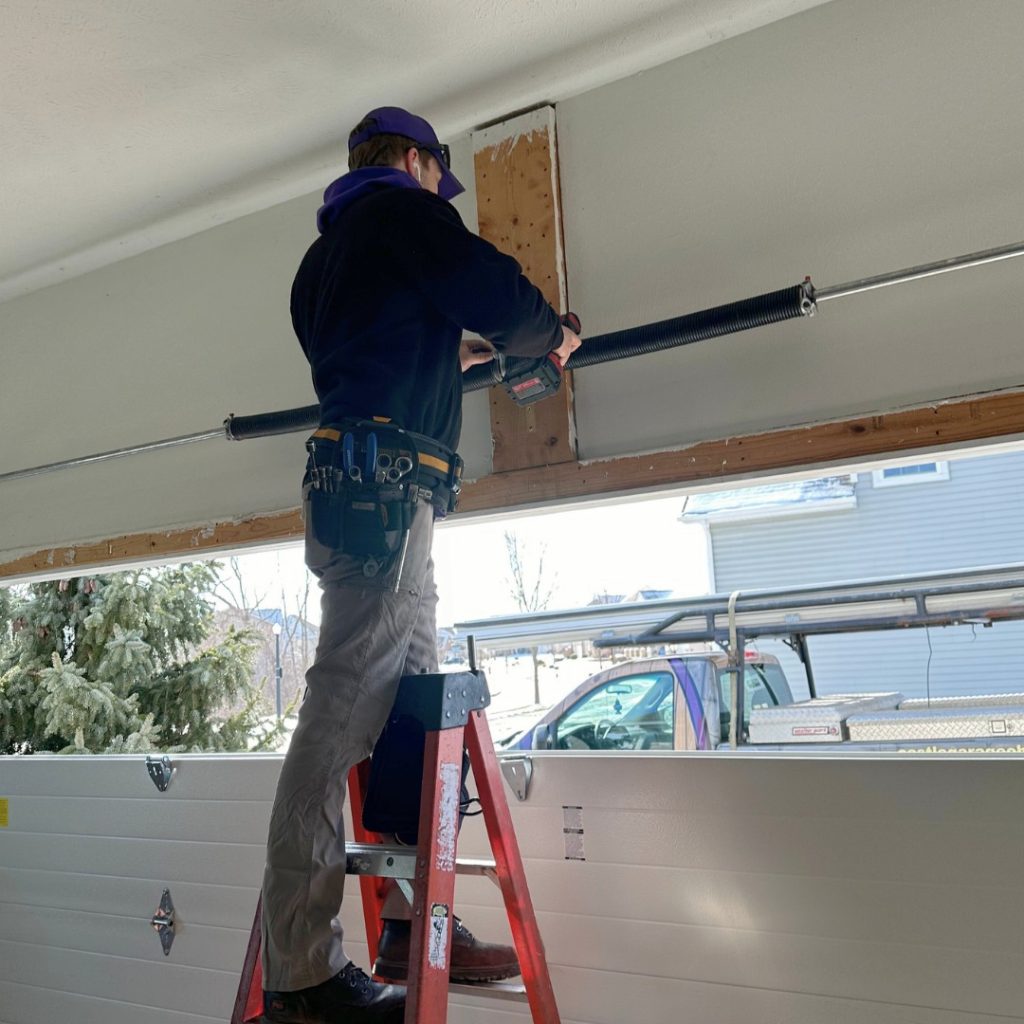
When you press your garage door opener remote, you expect smooth and quiet operation, so hearing a sudden loud bang can be alarming. This noise often signals a serious problem within the garage door system and may indicate the need for garage door replacement if damage is severe. In many cases, the sound suggests a broken high-tension spring, a critical component that supports the door’s weight.
When a spring fails, the automatic opener can struggle or stop working altogether, creating an immediate safety concern. Operating the door in this condition can lead to further damage or injury. Prompt professional service is essential to restore proper function and ensure your garage door operates safely and reliably.
What the Loud Bang From Your Garage Means
The startlingly loud bang you heard from your garage is almost always the sound of a garage door spring breaking under immense tension. These springs are tightly wound to store a tremendous amount of energy, which is necessary to counterbalance the door’s substantial weight. When the metal fatigues and finally snaps, the stored energy is released in an instant, producing a loud noise that can sound like a gunshot.
While other mechanical issues can cause noise, the sharp, specific bang is a classic symptom of a broken spring, making it the most likely cause. A failure in another component typically produces grinding or screeching sounds, but a sudden, explosive report is characteristic of a spring failure, signaling a problem that requires immediate resolution.
Know the right steps to take when your garage door spring breaks to protect your home and prevent further damage by reading: What Should You Do When You Have a Broken Garage Door Spring?
Why Garage Door Springs Make a Sudden Noise
Garage door springs, whether torsion springs mounted above the door or extension springs running along the sides, are designed to store and release enormous amounts of energy. Torsion springs work by twisting to create torque, while extension springs function by stretching to create tension, and both systems are integral to lifting the door’s weight. This stored potential energy enables your garage door to open and close with relative ease.
The loud, dramatic noise occurs precisely when the metal spring coil fails under stress and fractures. This sudden break releases all the stored energy at once, causing the spring to violently unwind or contract, producing the powerful sound that echoes through your garage. It is the raw force of this energy release that you hear.
After hearing the noise, you can often confirm a broken torsion spring by observing a distinct gap of one to two inches in the coil. For an extension spring system, you might see a spring hanging loosely or find that the safety cables are the only things preventing it from flying across the garage.
Understand how a broken garage door spring can create serious safety hazards for you and your family by reading: Why a Broken Garage Door Spring Can Put Your Safety at Risk.
Other Reasons You May Hear a Bang in the Garage
Although a broken spring is the most common cause of a loud bang, other garage door components can occasionally produce sudden noises, though these are typically less intense. For example, a cable that has frayed over time can snap under the door’s weight, making a sharp sound as it releases its tension. This situation also poses a significant risk and requires prompt professional intervention.
Another possibility is the garage door itself, where years of movement can cause components to become misaligned or fail. A door that comes off its track can crash down, producing a loud impact that may be mistaken for a spring breaking. These garage door problems also compromise the safety and functionality of your entire system.
You may be dealing with a different issue if you notice one of the following:
- Loose hardware, such as bolts and hinges, that ultimately fails.
- A malfunctioning garage door opener that causes erratic and forceful movements.
- Severe damage to the door panels or track that leads to a sudden structural failure.
Avoid the expensive mistake many homeowners make after a garage door spring fails by reading: The Costly Mistake Homeowners Make After Spring Break.
How to Tell if Your Garage Door Spring Is Broken
Beyond the unmistakable loud noise, several clear indicators help you confirm that a broken spring is the source of your garage door troubles. These signs of wear and failure are often immediately apparent and affect both the door’s appearance and its ability to function correctly. A quick visual check can usually provide all the confirmation you need.
Understanding these specific symptoms will help you diagnose the problem with confidence and recognize the urgency of the situation. The following sections will guide you through the key signs to observe after hearing a bang and explain how to safely assess the door’s movement and overall condition.
Signs to Look for After Hearing the Noise
Immediately after hearing the loud noise, visually inspect the garage door and its components to confirm that a spring has failed. One of the most obvious signs is a visible break in the spring, which clearly indicates that a replacement is necessary. This physical evidence is the most definitive proof you will find.
For torsion spring systems mounted on a bar above the garage door, you should see a distinct one- to two-inch gap in the spring coil where the metal has snapped. For systems with extension springs that run alongside the horizontal tracks, you will likely see one spring hanging down loosely or notice the door tilting to one side due to lost support.
You can also identify a broken spring by observing these key indicators:
- A crooked or lopsided garage door that hangs unevenly in the frame.
- Fallen or tangled lifting cables near the bottom corners of the door.
- The door only opens a few inches before stopping and refusing to move further.
Explore how federal safety guidance helps reduce injury risks associated with powered garage doors by consulting consumer safety resources from the U.S. Consumer Product Safety Commission.
Checking the Garage Door’s Movement and Appearance
A garage door with a broken spring will experience significant operational issues because the primary lifting mechanism is compromised. Without the spring’s counterbalancing force, the garage door opener is not powerful enough to lift the door’s weight. Attempting to use the automatic opener can strain and burn out the opener motor.
It is highly unsafe to try to manually open a garage door with a broken spring, as the door’s full weight is no longer supported. Trying to lift it by yourself could lead to serious injury, and the door could slam shut unexpectedly. The wear on other garage door components also becomes more apparent under this kind of stress.
Gain insight into how technical standards help manage operational risks in automated door assemblies by referencing published specifications from ASTM International.
Effects of a Broken Garage Door Spring
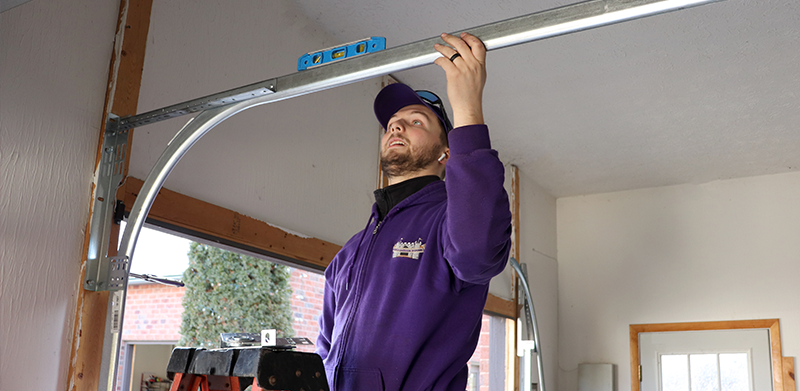
A broken spring is much more than a simple inconvenience; it represents a critical failure that can affect your entire garage door system. Springs handle most of the heavy lifting, and when they fail, the load shifts to other components that were never designed to carry it. In these situations, emergency garage door repair is often necessary to prevent further damage and restore safe operation.
This sudden transfer of weight can cause severe damage to connected components, including the opener motor, cables, and door panels. Addressing a broken spring immediately is not only about restoring access but also about avoiding more extensive and costly repairs later.
How It Affects the Garage Door System
When a garage door spring breaks, the entire garage door system is immediately subjected to extreme stress it was not designed to withstand. The garage door opener, for instance, is engineered to guide the door along the tracks rather than lift its entire weight. Attempting to operate the door with a broken spring forces the opener motor to strain excessively, which can quickly cause it to overheat and burn out.
Furthermore, a sudden loss of support often causes the door to become unbalanced, placing tremendous force on the door panels and tracks. If one of two extension springs fails, the door will lift unevenly, causing the panels to twist or bend, or even forcing the rollers out of the garage door track. This can warp the panels beyond repair.
This imbalance also puts additional strain on other moving parts, such as the lifting cables, rollers, and hinges. These components can stretch, break, or wear out prematurely when required to support the door’s weight without a functional spring system, leading to a cascade of mechanical failures.
Possible Damage If Not Repaired Quickly
The added strain can quickly damage the opener motor, cables, tracks, and even the door panels themselves. Addressing a broken spring right away is not just about restoring access but also about preventing more extensive damage and higher repair costs later on.
Failing to address the problem quickly can also result in:
- Bent or damaged garage door tracks that require realignment or replacement.
- Cracked or warped door panels from the unbalanced weight distribution.
- Snapped lifting cables introduce another significant safety hazard.
Professional Garage Door Spring Repair
A loud bang that signals a garage door spring failure should not be overlooked, as it indicates a critical issue within your garage door system. Understanding the implications of this noise can help you address potential problems before they escalate into more significant repairs or safety hazards. Regular maintenance and awareness of the signs of a broken spring are key to ensuring the longevity of your garage door. If you notice unusual sounds or irregular movements, it is essential to assess the situation promptly.
Castle Garage Doors delivers reliable garage door solutions backed by experienced, well-trained technicians. Each team member is thoroughly trained before working on any job, with a strong focus on safety, precision, and current technology. Manufacturer standards are met or exceeded to ensure proper installation and long-term performance. Continuous training supports consistent service quality and lasting results.
Contact us today or give us a call for trusted garage door repair and installation services.